
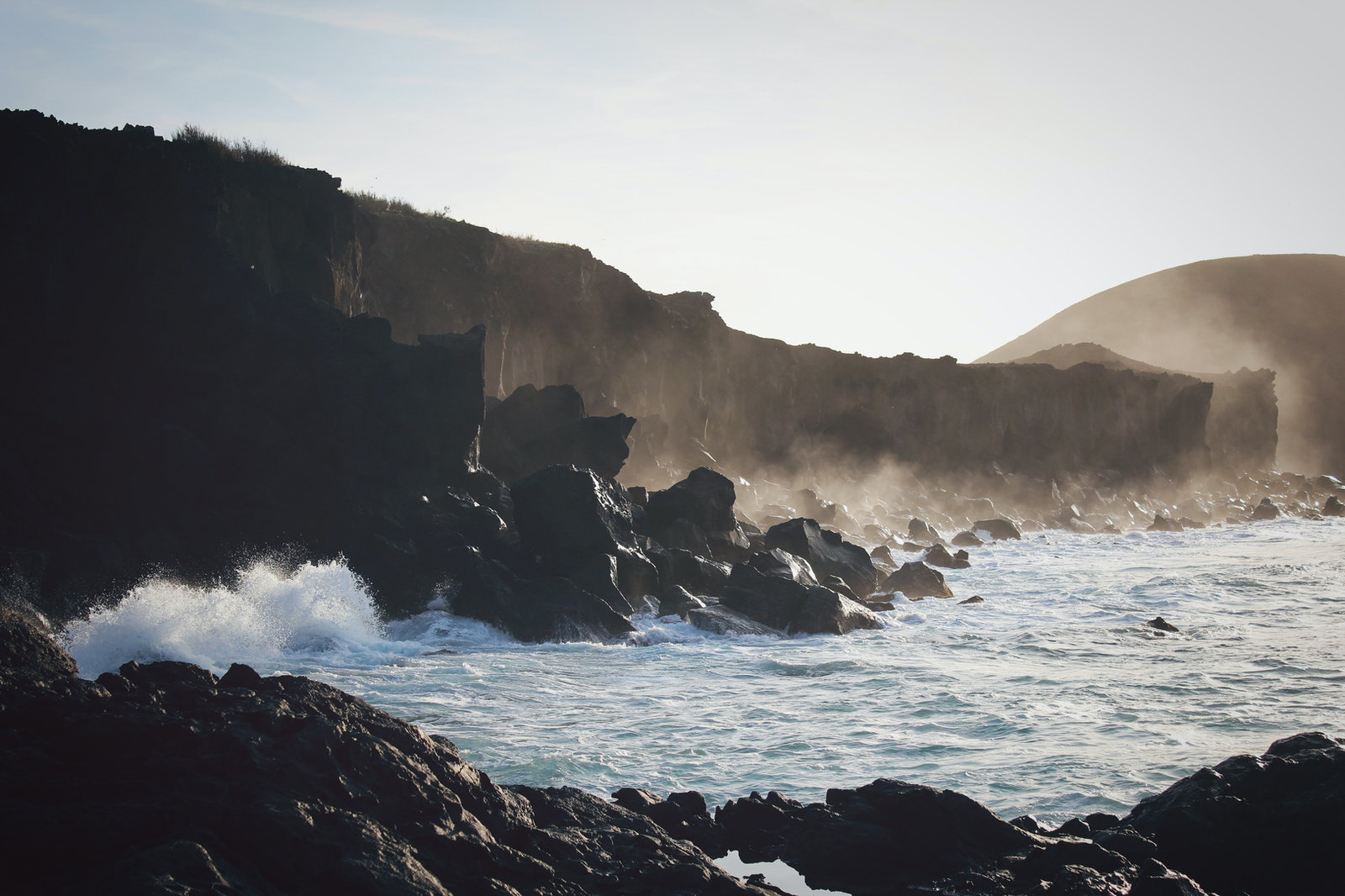
Almost unknown to the general public, the island of Graciosa is a little gem located at the very north of the central group of the Azores archipelago. A “little gem” because it’s only 12 km long and 7 km wide, but its rounded shape lets any visitor explore it without the slightest difficulty.
Choose to add the white island to your travel itinerary if you want to discover volcanic and natural treasures in the most complete tranquillity!
1 – The formation and history of Graciosa
Having risen from the waters 2.5 million years ago, the island has three volcanic complexes whose eruptive births allowed it to form: that of Serra das Fontes, that of Serra Branca and that of Vitória. The latter, called the “central volcano”, is the most spectacular feature in the island’s volcanic history: first of all it’s the highest point on the island at 405 metres, but this beautiful Caldeira also holds a treasure unique in the Azores, which we reveal a little further down.
Graciosa was discovered much like its neighbours, that is, at the end of the 1420s. Pedro Correia Cunha, captain of the island in 1485, enabled the arrival of Portuguese and Flemish settlers and developed cattle farming, helping the island’s economy to stabilise. But during the 16th and 17th centuries, the island was regularly attacked by privateers, and suffered severe shortages. The following centuries were no more cheerful, as capricious nature brought droughts and natural disasters, leaving Graciosa very poor. Today, cereal and livestock farming are the island’s safeguards, and thanks to support from the European Union, its future is brightening. Tourism, for its part, is a new string to its economic bow.
Its slightly more than 4,000 inhabitants would not say otherwise: Graciosa deserves to be discovered, as it holds natural beauties unique in the world.
2 – The treasures of Graciosa
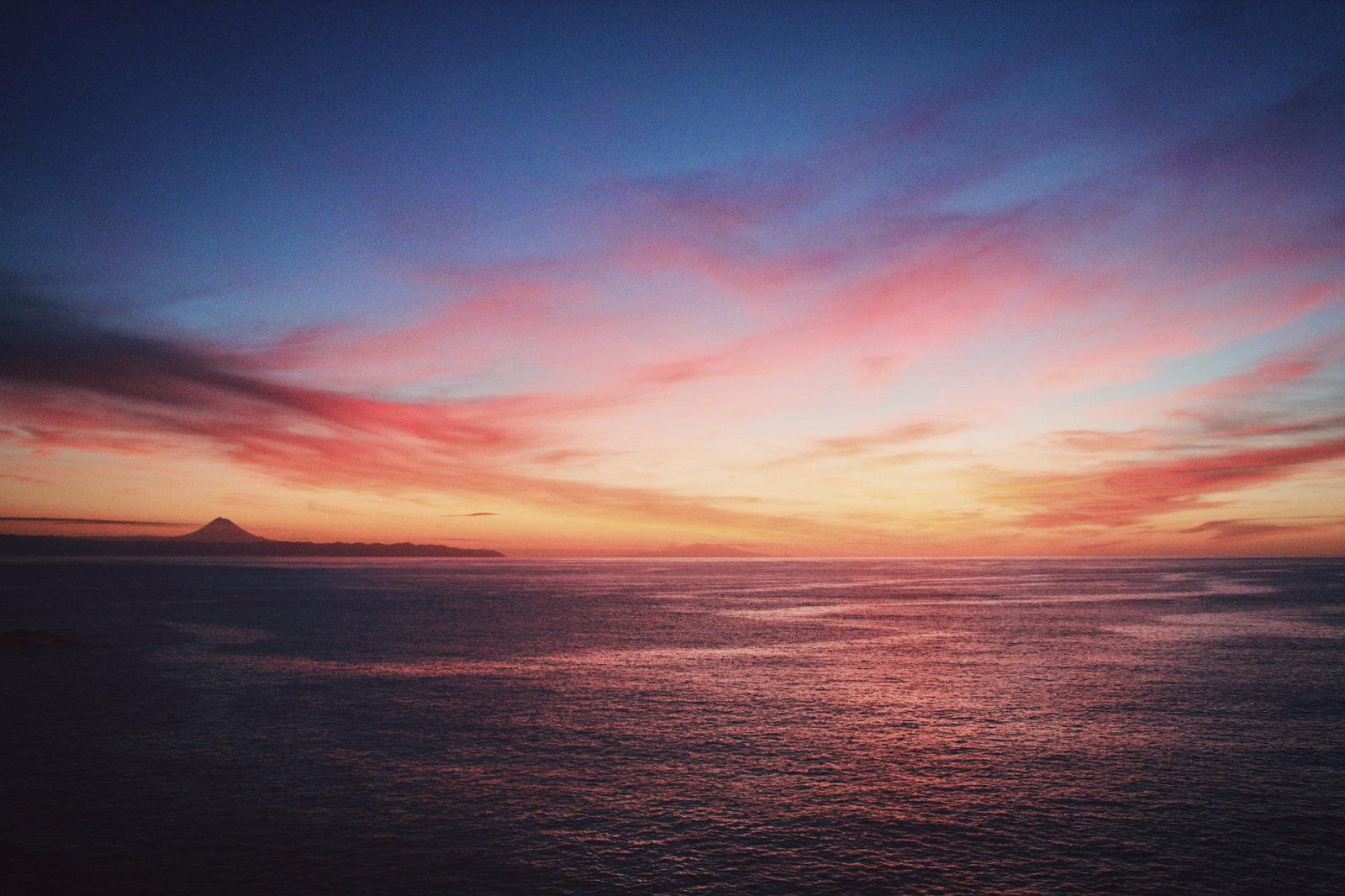
Graciosa has an area of 60.66 km², which puts it on the podium as the second-smallest island in the archipelago. Its gently rolling landscape is not the most imposing in the archipelago, as the island has little variation in elevation (compared, for example, to São Jorge or Pico, its neighbours), but its dominant colour, white, is entirely unique: it’s due to the significant presence of trachyte rock, which, through the action of time and erosion, turns white.
Beyond its natural pools, one of which can be considered the second most beautiful in the Azores, and its sublime coastal cliffs, Graciosa offers a unique volcanic formation in the heart of its Caldeira: its Furna do Enxofre. This impressive volcanic cavity (more than 40 metres high), formed by the natural drainage of lava after a post-eruption collapse at its centre, is a natural wonder without equal. Add to this a lake, fumaroles and a smell of sulphur, and you’ll feel as if you’re on a Jurassic Park set! Other wonders worth noting: the secret chasm that can only be visited with proper equipment, the birds’ islet, the whale islet…
Graciosa has very little urban development, which makes it even more appealing to lovers of islands with natural charm.
3 – Visiting Graciosa
As you’ll have gathered, Graciosa is a must-see island if you want to discover the most remote and least visited corners of the archipelago. Travel to the Azores can, moreover, create a discovery itinerary along these lines for you!
We design your tailor-made day-by-day discovery itinerary respecting your traveller profile (friends, family, couple…) and your budget, negotiate and book the services for you for your stay (car rental, accommodation…) so that you have nothing to do, just to enjoy your stay in this wonderful archipelago. All of this is carried out with an eco-responsible ethic, that is, with respect for the environment and the local culture.
To receive your free quote, don’t hesitate to contact us at: contact@voyage-aux-acores.com or by filling out the contact form.