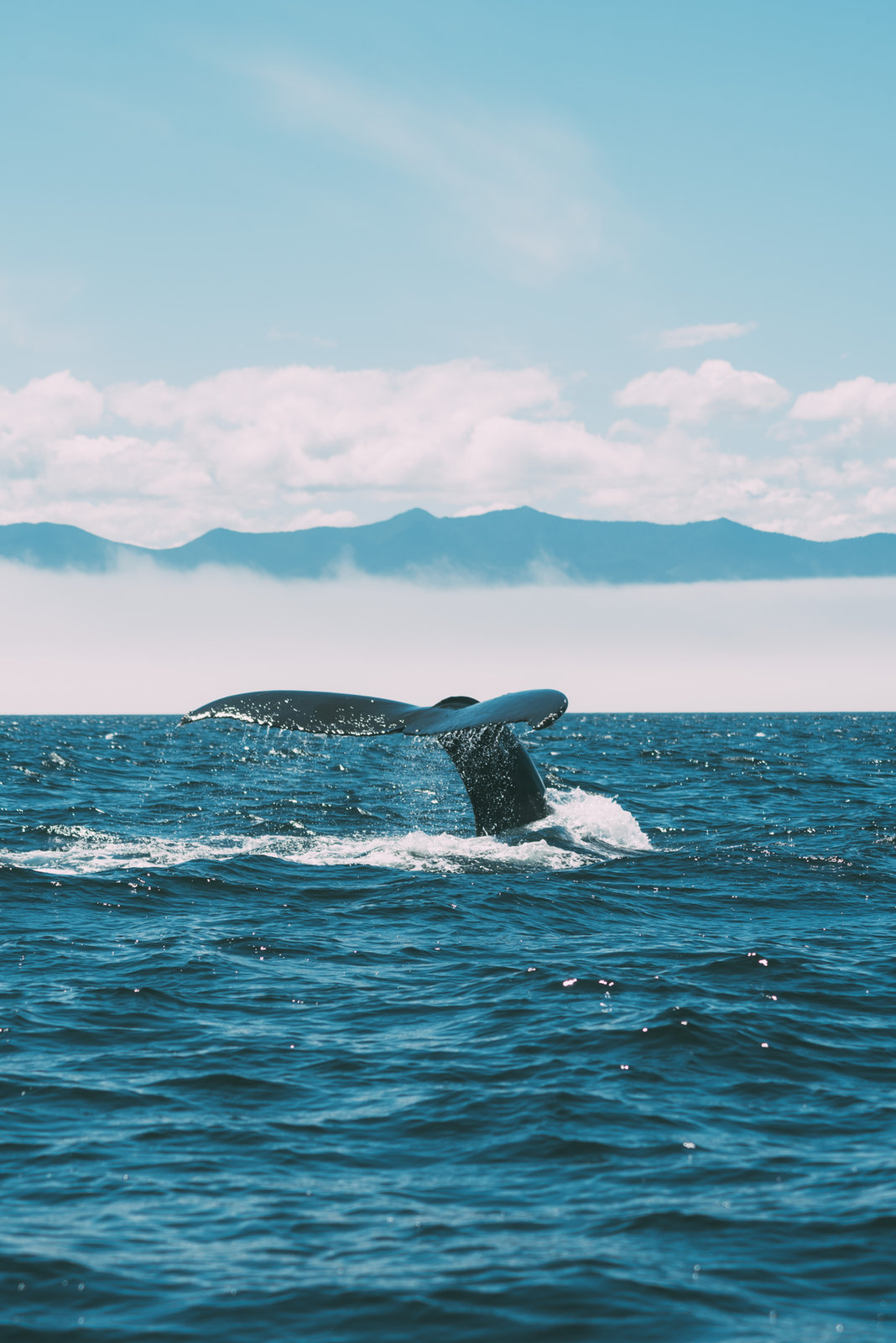
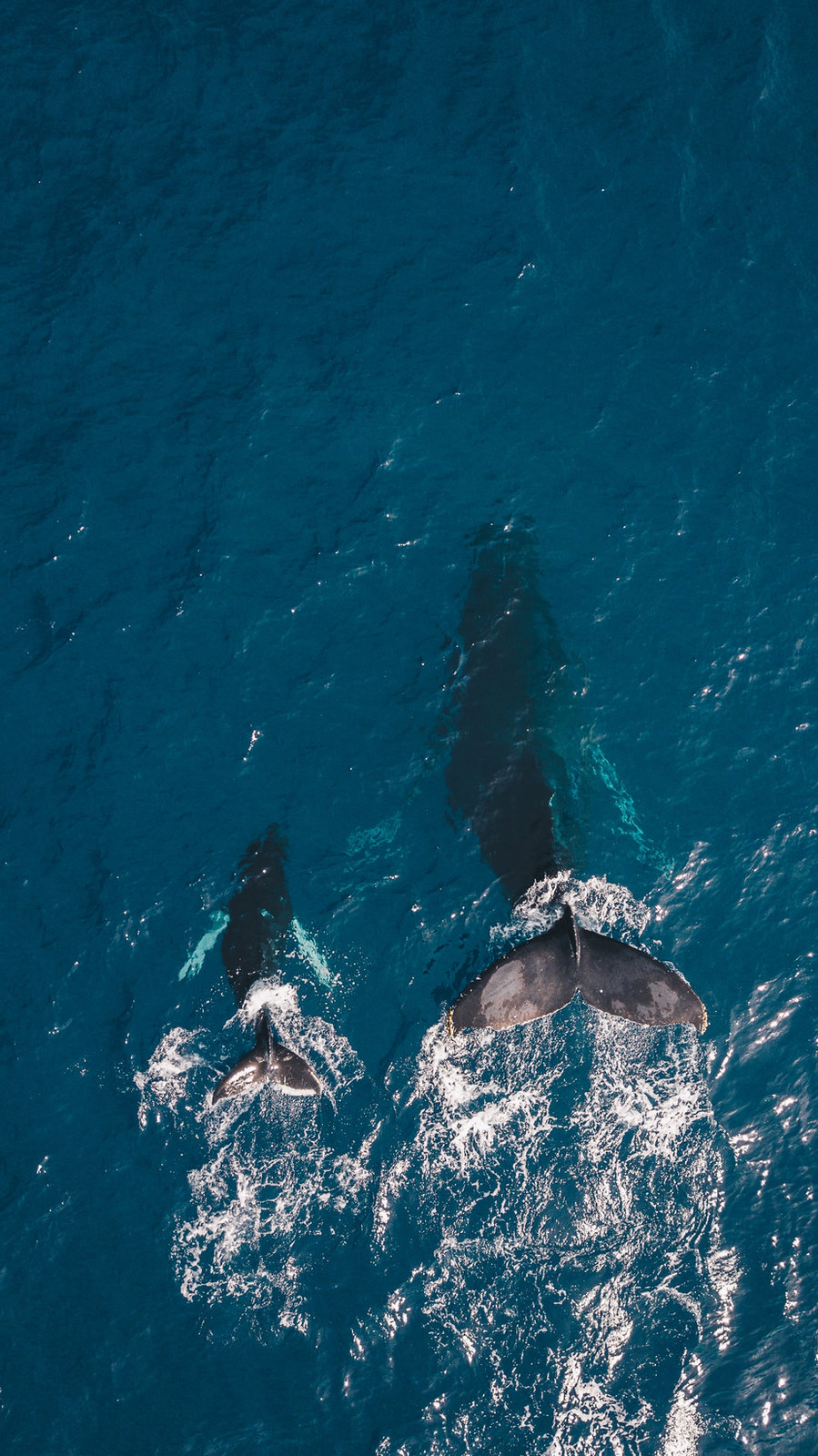
Ahhhh, the whale! This majestic animal, which is at once one of the largest mammals on the planet and one of the most harmless to humans, thrives off the coasts of the Azores, finding rest and food there thanks to the crossing of the Gulf Stream, a warm marine current coming from the south, and the cold currents coming from the north.
Whales, part of the cetacean family, have been a protected species since 1984 in the Azores, the date when the official ban on hunting them was put in place. This economic activity was, like agriculture and fishing, a means of survival for the inhabitants of the archipelago. A very dangerous activity (many did not return alive from these expeditions), its end allowed the creation of a true sanctuary for whales. Today, the boats no longer hunt them, they set out to observe them, to the great delight of scientists and travellers.
Travel to the Azores now answers all your questions.
1 – What is the best time to see whales in the Azores?
You’re really in luck: the Azores are one of the places on the planet where it’s possible to observe whales all year round 🙂
Of course, the most favourable period to see several of them, and even to have the opportunity to see different species, is between March and September, that is, in spring and summer for the migratory whales, with the peak passage rate in May and June. One of the reasons for this is quite simple: they have just given birth to their young and the Azores represent the perfect stopover to feed on the abundant fish of the seabed and to take a break in their oceanic journey.
But for travellers planning to discover the Azores in autumn or winter, don’t worry, you’ll have the chance to observe some, because there are sedentary species that live in the archipelago all year round!
2 – On which island(s) of the Azores are you most likely to observe whales?
The authorisation for boat companies to go and see the whales is issued by the autonomous government of the Azores. These authorisations are limited and very strictly regulated to ensure the well-being of the animals, and the respect of the rules for observing them. It’s not possible to go and see the whales from every island.
There are only 5 islands, out of the 9 islands that make up the archipelago, that enjoy the regulatory authorisations to go and observe cetaceans: São Miguel, Santa Maria, Terceira, Pico and Faial. Indeed, the boat companies of the other islands are not currently allowed to carry out this activity because the quota is already at its maximum.
So now you know which islands to include in your travel itinerary to do this wonderful expedition.
3 – Which whale species and other marine species can you come across during the boat trip?
There are around 80 cetacean species in the world and 24 can be observed in the Azores, that is, almost a third of those that exist on the globe!
Of course, you won’t see all 24 species during your boat trip, but you’ll see at least two: a dolphin species and a whale species. As for the whales, the most frequently visible are the sperm whale, the blue whale, the sei whale and Bryde’s whale. As for the dolphins, those that most often come to play near the boats are the common dolphin, the bottlenose dolphin, the spotted dolphin and Risso’s dolphin.
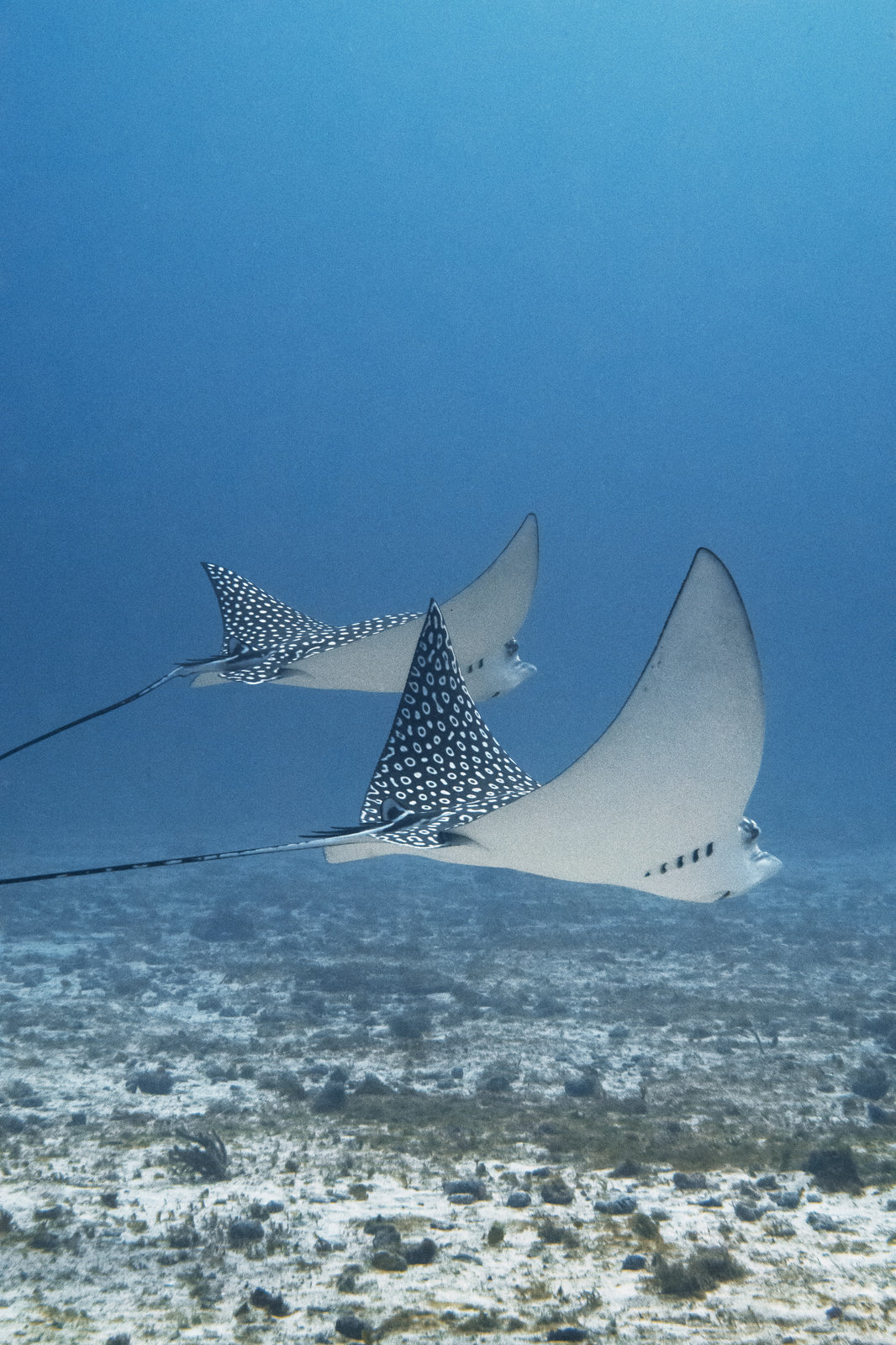
If you’re lucky, other marine species will be on your path: sharks, turtles, flying fish, rays, orcas…
4 – Are there eco-responsible tours that are respectful of the whales?
Travel to the Azores was created within the framework of eco-responsible tourism: helping travellers create their stay itinerary, notably by offering them partners with impeccable ethics. The whale-watching activity must fully and uncompromisingly meet this ethic of respect and preservation of the existing biodiversity. There are very good companies on the islands where it’s possible to observe whales, some of which are even associated with scientific teams who take advantage of each expedition to complete their research.
If you’d like to receive a proposal for the creation of stay programmes, tailor-made and within the framework of eco-responsible tourism, don’t hesitate to contact us at the following address: contact@voyage-aux-acores.com; or to fill out the contact form.
Bonus: did you know?
- Whales are not fish: they have lungs, swim while holding their breath below sea level and must come back up to the surface to breathe, nurse their babies and move forward thanks to the vertical movement of their tail (and not horizontal as in fish)
- One of the whale species is the largest animal on Earth: the blue whale takes the title with a size that can reach up to 30 metres (the equivalent of a 10-storey building!) and a weight of up to 100 tonnes (which is what you’d get if you stacked about ten elephants on top of one another)
- Whales can reach record ages: up to 268 years… So some of them “experienced” the French Revolution! And their cerebral hemispheres have the peculiarity of taking turns so that they can sleep… with one half awake.
- To communicate, whales use sounds of different frequencies and different lengths (the shortest are called “clicks”), and their range can reach several dozen kilometres. This is notably one of the reasons why whales are harmed by the proliferation of container ships, which make a deafening noise and sometimes create great confusion among the cetaceans… Hence the need to protect these unique and splendid beings!