
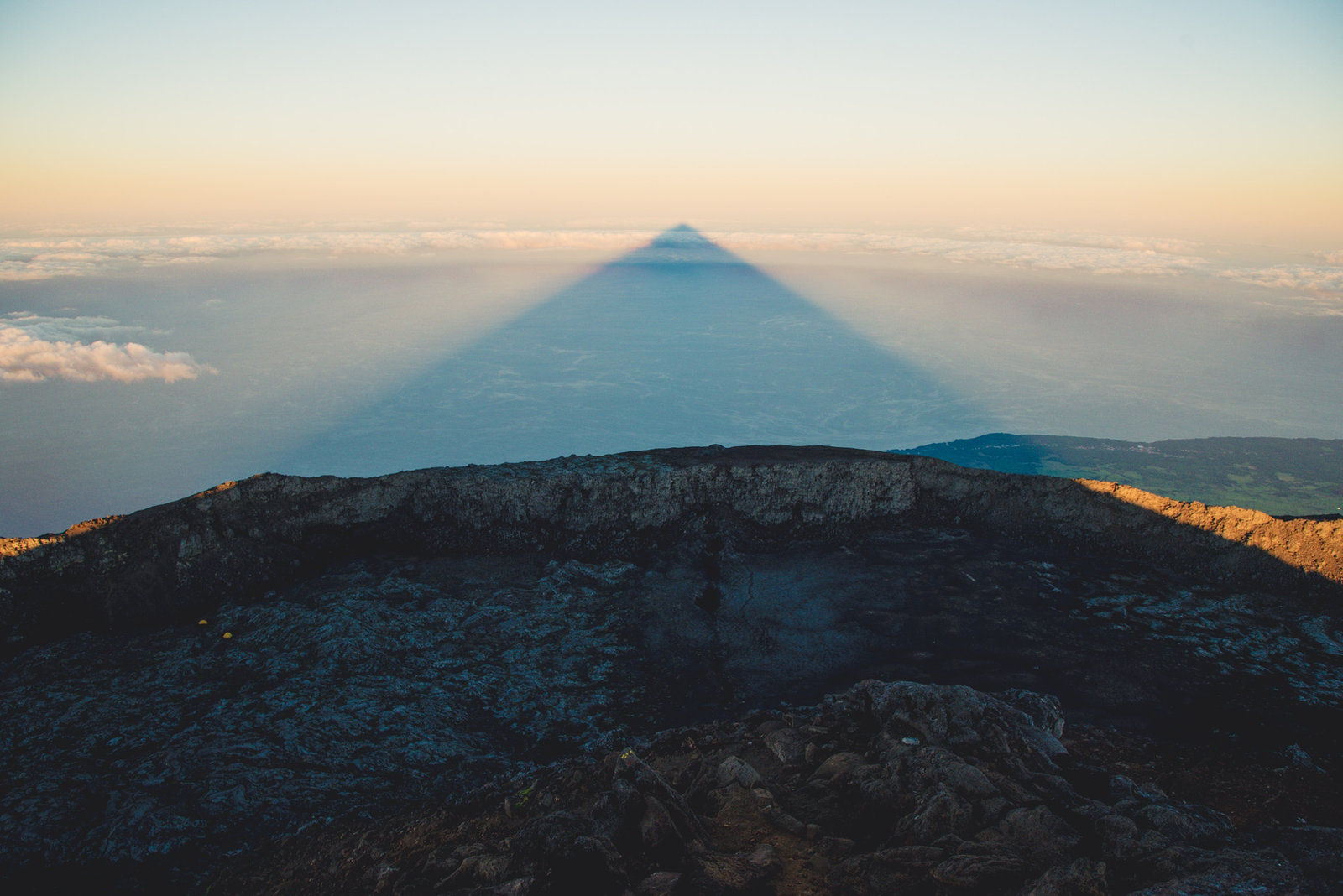
At the origin of the creation of this fantastic archipelago and of the existence of all the natural beauties that have flourished there from its emergence from the waters to this day, lies the volcanic activity of the Azores. Discover everything about this activity, in just a few minutes of reading 🙂
1 – The creation of the islands
The geographic location of the Azores is a first element to understanding it: the archipelago is located very close to the junction of the tectonic plates — the Eurasian, North American and African — as well as to the Mid-Atlantic Ridge. On top of its already sensitive position, the Azores sit on a “volcanic hotspot“, characterised here by “a swelling of the ocean floor, a gravimetric anomaly and a basaltic geochemistry” (source: Wikipedia). This hotspot, around 7 million years old and with a cracking crust, is the source of heightened and constant volcanic activity. It’s these natural characteristics that gave rise to the formation of the Azores archipelago, a formation set off by underwater volcanic eruptions, then above the sea.
For example, the island of Faial formed 800,000 years ago, following a tectonic fracture that would also give rise to the formation of the island of Pico, formed 500,000 years later. This shows just how much volcanic phenomena influence the structure of the archipelago, even today. The most recent volcano appeared in 1957, off the coast of the island of Faial: its eruption enlarged part of the island!
On the islands today you’ll find all the different types of volcanoes that exist on an archipelago (stratovolcanoes, shield volcanoes…), but also unexpected and absolutely incredible forms of volcanic activity, which you can visit and experience during your trip.
2 – The concrete expressions of the Azores’ volcanic activity
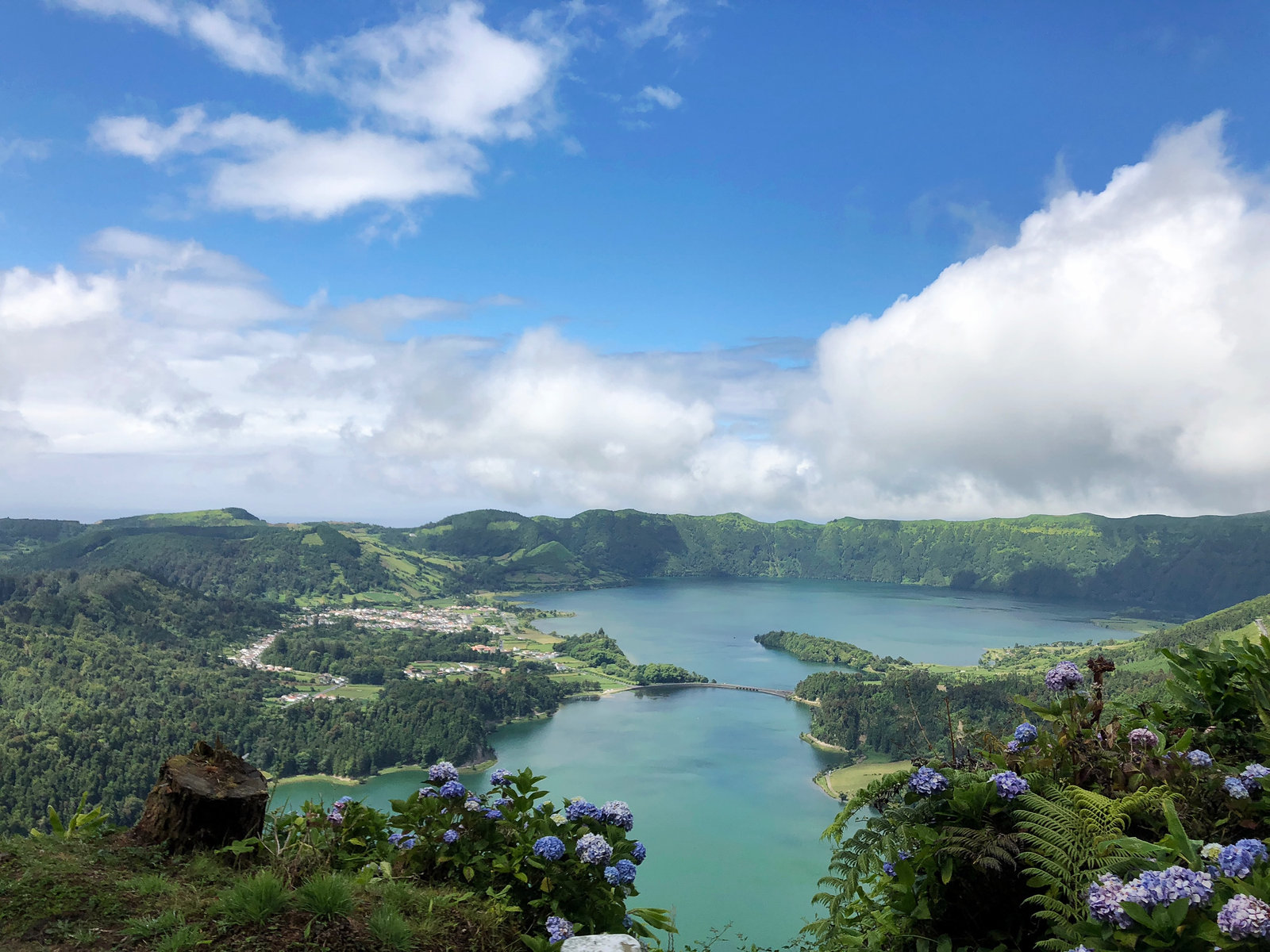
Lava tubes, caves, vents, fumaroles, hot springs, geothermal energy, fajãs (lava flows or cliff collapses), mistérios (basalt fields), lagoons, geysers, black-sand beaches, mountain ranges, lush nature… Everything you’ll see in the Azores comes from the volcanic activity behind the archipelago’s creation and its evolution today.
For example, you’ll be able to bathe in hot baths at a temperature of 40 degrees on the island of São Miguel, enter a superb volcanic chasm in Terceira, swim in the most beautiful natural pool in São Jorge, walk along the great beach of Santa Maria, dive to observe the seabed off the shores of Graciosa, walk the loop around the Caldeira of Faial, climb Mount Pico in Pico, marvel at the dozens of waterfalls of Flores and feel tiny next to the cliff faces of the island of Corvo.
This extraordinary volcanic activity has allowed the most exotic plant species to grow on the island, hundreds of bird species to find a stopover there during their migration, and the most incredible marine species to find a natural refuge there. And this activity is far from done surprising us…
3 – Volcanic activity today
In 2022, on the island of São Jorge, more than 50,000 earthquakes were recorded by the volcanic-monitoring probes. Of all these seismic tremors, more than 300 earthquakes were felt by the population (including one of magnitude 3.8 on the Richter scale). No disaster to lament, no destruction, no emergence of a volcano, no powerful earthquake. But that’s the risk the inhabitants take in choosing this island life: volcanic activity is continuous and unpredictable.
It’s possible and indeed highly likely that a new island will emerge in the next few hundred thousand years, as the Azores hotspot is considered “young” by scientists. What a wonder!
Travel to the Azores reassures you: there is currently no active volcano in the Azores 🙂