Considered one of the largest cetacean sanctuaries on the planet, the Azores archipelago lets you observe 28 of the 81 species recorded worldwide. That’s more than a quarter of all species, a rather staggering number for such a small archipelago!
Whether you come solo, as a couple, with family or with friends, the whale- and dolphin-watching trip is a must during your stay in the Azores. Incidentally, we answer two of your questions in this article, namely the best time of year to take this trip, and on which islands of the Azores to do it.
Today, we’d rather focus on the heart of the matter: which species can you encounter during this expedition, and more generally, which cetacean species exist in the Azores?
1 – Cetaceans in the Azores: the whales
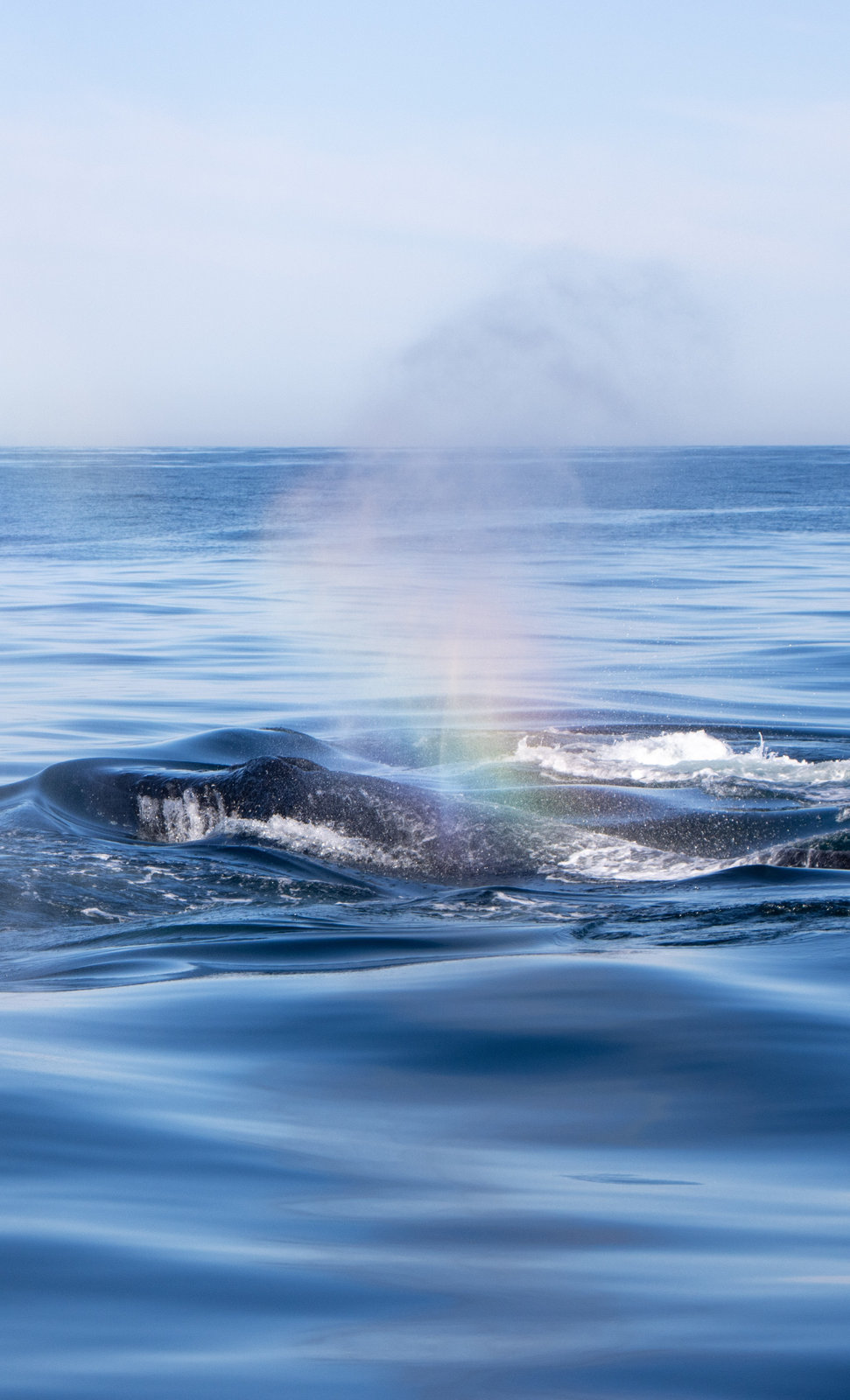
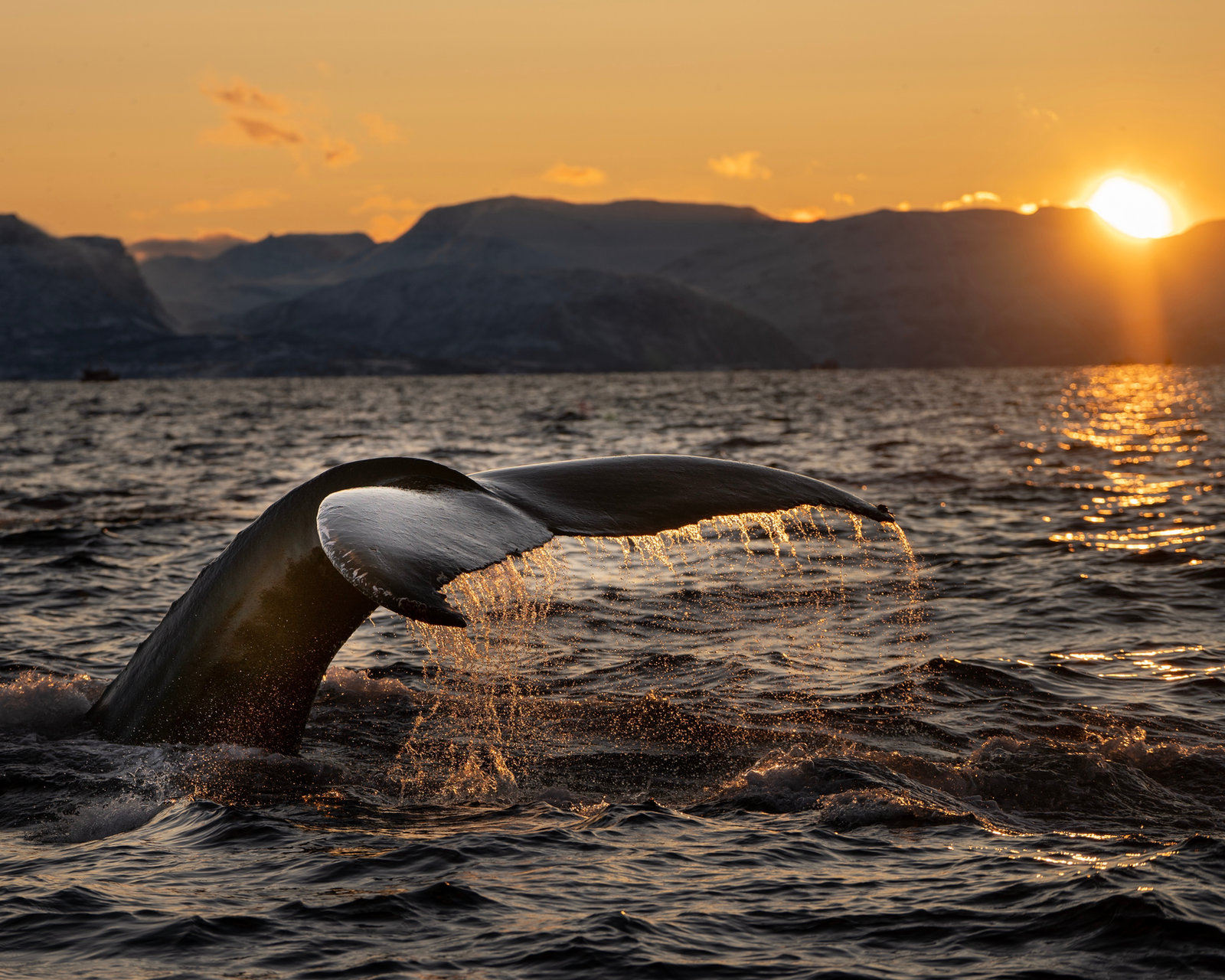
It’s the largest marine mammal in the world, and one of the most impressive. Whales filled our childhood memories and are part of our shared imagination. Their slow, graceful movements, their natural beauty and their sometimes gigantic size are all qualities that move us when we’re lucky enough to observe them by boat. Especially when they’re accompanied by a calf!
In the rorqual family (Balaenopteridae), there are:
- North Atlantic right whale
- Sei whale
- Humpback whale
- Fin whale
- Blue whale
- Minke whale
In the sperm whale families (Physeteridae and Kogiidae), there are:
- Sperm whale
- Dwarf sperm whale
- Pygmy sperm whale
2 – Cetaceans in the Azores: the dolphins
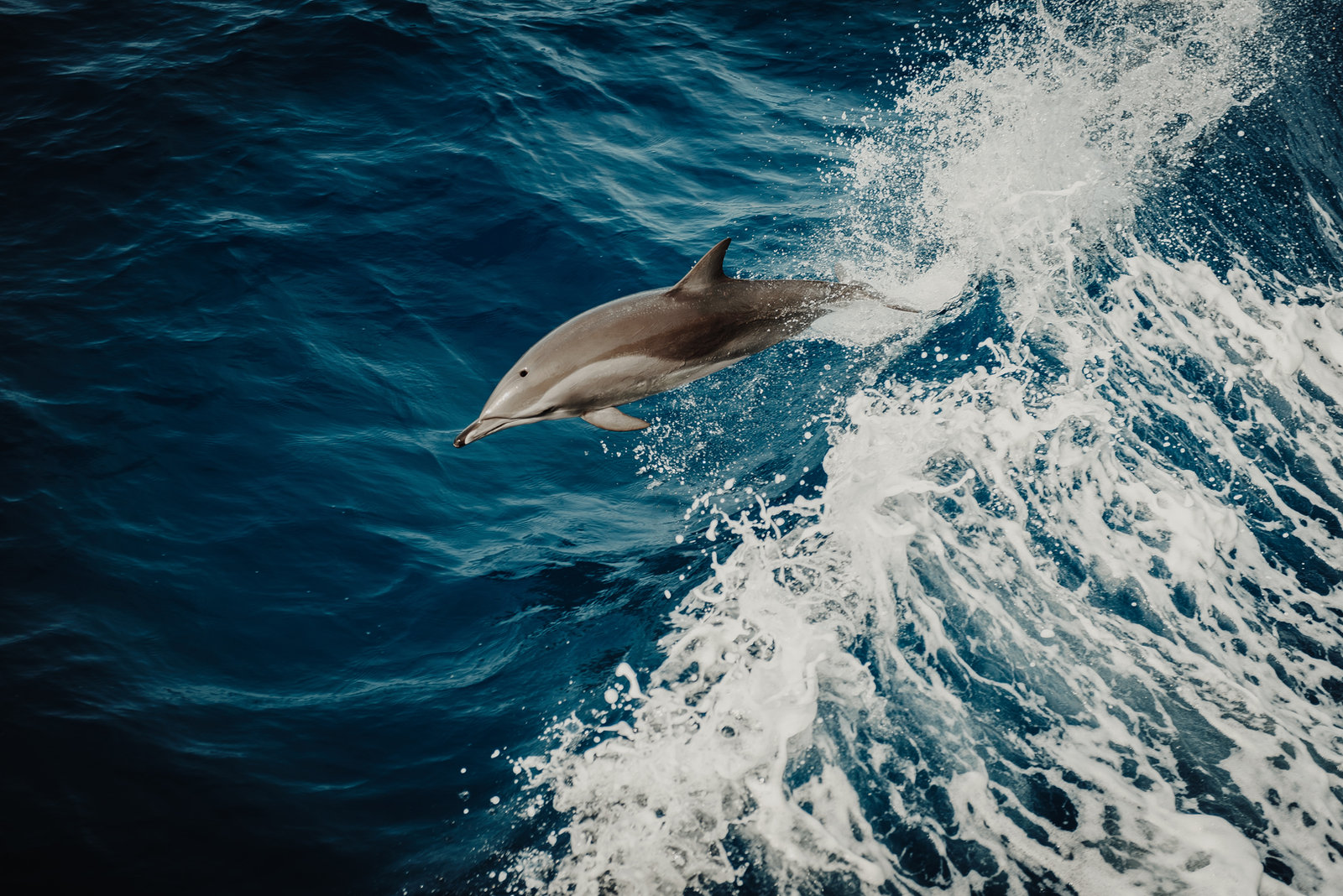
Dolphins are more numerous than whales in the Azores, and live in communities. When you pass by a school of dolphins, you’ll usually have the chance to see around thirty of them, or even more, all at once. It’s a very intelligent animal (like the whale), and very sociable. Dolphins, thanks to their speed, can decide for themselves whether they want to interact with the boats, or whether they’d rather go on their way.
Among the dolphins you’ll be able to observe in the Azores, two categories stand out:
The beaked whales of the Ziphiidae family (an intermediate category between whale and dolphin):
- Blainville’s beaked whale
- Cuvier’s beaked whale
- Gervais’ beaked whale
- Sowerby’s beaked whale
- True’s beaked whale
The dolphins of the Delphinidae family:
- Long-finned pilot whale
- Short-finned pilot whale
- Melon-headed whale
- False killer whale
- Short-beaked common dolphin
- Fraser’s dolphin
- Risso’s dolphin
- Atlantic spotted dolphin
- Striped dolphin
- Killer whale (orca)
- Common bottlenose dolphin
3 – Booking your cetacean-watching trip in the Azores
In the Azores, more than a dozen species are migratory and 4 are resident, meaning you can observe them all year round. What’s more, beyond cetaceans, other incredible marine species are present in the Azores and can be observed during your trip: turtles, rays, flying fish, sharks…
The rule to follow when you decide to do this activity is to choose an operator that respects animal welfare and the environment. Travel to the Azores surrounds itself only with operators of impeccable ethics. If you’d like to book your cetacean-watching boat tour, or include it in the personalised travel programme we’ll be delighted to create for you, don’t hesitate to contact us at the following address: contact@voyage-aux-acores.com or by filling out the contact form.